
The Science of Crosshair Selection: How Shape and Color Affect Your Hit Rate
A good crosshair disappears from your awareness. A bad one costs you kills. Here's what the data says about choosing the right shape and color.
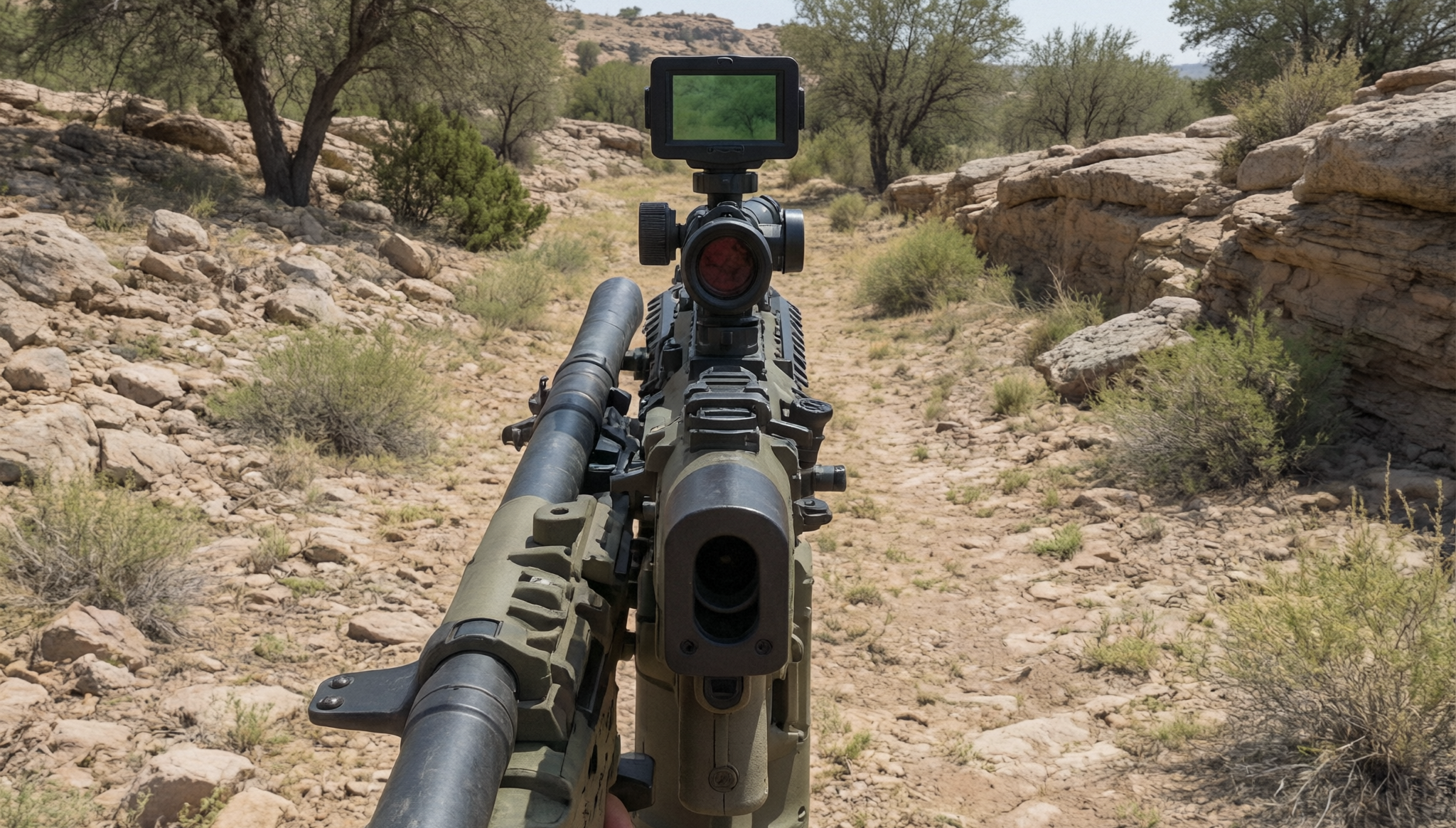
Your crosshair shape and color can make or break your aim. Research shows the right choice boosts hit rate — here's the science behind it.
You're in a gunfight. The enemy peeks. You flick, you fire, you miss. Was it your aim? Your reaction time? Or was it something as small as the tiny crosshair sitting at the centre of your screen?
For most players, the crosshair is an afterthought – something you set once and forget. But research and player experience suggest that crosshair choice is more consequential than most people realise. The shape and colour of that little indicator can significantly affect accuracy, confidence, and overall performance.
Shape Matters: The Experiment That Proved It
A player conducted a controlled test across multiple matches to measure how different crosshair shapes affect gameplay. The results were striking. Four crosshair types were tested: standard cross, dot, circle, and an unorthodox design.
The standard crosshair performed as expected – neutral, natural, and easy to use. Players reported it felt "fine" and was rarely a distraction. Average combat scores hovered around 236.
The dot crosshair was a different story. Despite looking clean, it produced noticeably worse results, with an average combat score of just 121. The player reported whiffing easy shots they should have made and losing confidence because the dot was distracting. Even in the best game with the dot, they noted frequent missed opportunities.
The circle crosshair delivered the strongest performance. It felt great and natural, produced an average combat score of 257, and the player reported no conscious thoughts about the crosshair during matches. The gap in the middle of the circle, which provided a clear view of the target, appeared to be the key factor.
The unorthodox crosshair showed that even unusual shapes can work if they match your play style. It produced good results – average combat score 196 – but the player noted it was weak for long-range duels, forcing them to switch weapons to compensate.
The conclusion? Crosshair shape affects gameplay in two ways: mechanical – how well you can track targets – and psychological – how confident you feel. A crosshair that feels wrong creates hesitation and doubt, which translates into poor aim.
The Shape Parameters That Actually Matter
Getting the shape right means understanding several key parameters.
Gap size is critical for precision. A smaller gap increases accuracy, but if the gap is too small, you'll struggle to see the target. The "sweet spot" varies by player, but most high-level players keep the gap as small as possible without obstructing their view of the enemy.
Thickness and size affect visibility versus precision. Thicker, larger crosshairs are easier to see and track during fast movements, but they can obscure small targets at long range. Thinner crosshairs offer better precision but can be harder to spot against complex backgrounds. The most common recommendation from experienced players: keep it as thin and small as possible while still being able to see it.
Dynamic crosshairs – those that expand when you move or shoot – are generally discouraged. They shift the visual focus away from the target and can be distracting during critical moments.
A 2026 guide on crosshair visibility emphasises that crosshair clarity is about separating your aim point from background noise and reducing visual clutter.
Color: The Contrast Factor
Shape isn't everything. Colour matters just as much.
Green is widely considered the safest choice. It's a neutral colour that provides good contrast against most backgrounds without being too aggressive. Data from analysing millions of CS:GO players shows green is the most popular crosshair colour, used by roughly 29% of players.
Blue offers an interesting trade-off. It's more visible and "crisp" than green, but can make backgrounds appear less distinct. Some players report that blue crosshairs interfere with identifying small targets, but this can be mitigated by using a smaller crosshair.
Red remains a classic choice, especially effective in bright environments where it can stand out from the background. For Apex Legends, red is recommended for its visibility in brightly lit outdoor areas.
Pink and cyan are increasingly popular. Their high brightness makes them nearly impossible to miss in any environment. They work best in low-light settings but can cause eye strain over long sessions.
Yellow offers good visibility in dark interiors but struggles against highly lit backgrounds, where it can vanish entirely.
The core principle is that contrast is always more important than personal preference. A colour that looks cool but disappears against common backgrounds is a liability.
The One-Minute Reticle Test
A practical way to choose your crosshair colour is the "one-minute reticle test":
Look at a bright outdoor area. Move to a dark indoor location. Aim toward bright light sources like the in-game sun or ring glow. If your crosshair disappears in any of these situations, it's not the right colour for you.
Professional Players and Constant Tuning
Even professional players regularly adjust their crosshairs. As one player noted, even professional players constantly change their crosshair, seeking one that better fits "the current them." What works at one skill level may not work at another. What works with one weapon type may not work with another.
Players who understand this cycle of adjustments tend to improve faster than those who set their crosshair once and never touch it again.
The Bottom Line
The science of crosshair selection comes down to three principles:
Contrast beats preference. Your crosshair needs to be visible against every background you'll encounter. Test it rigorously.
Shape affects both mechanics and psychology. A crosshair that feels wrong will make you hesitate, and hesitation costs kills.
Customisation is a journey, not a destination. As you improve, your crosshair needs may change. Don't be afraid to experiment.
The best crosshair is the one that disappears from your conscious awareness – allowing you to focus entirely on the target. Get that right, and your hit rate will follow.