
Character Specialist vs. Full Roster Master: Which Path Leads to Fighting Game Greatness?
Pour everything into one character or spread across the roster? The pros disagree. Here's what each path actually looks like in practice.
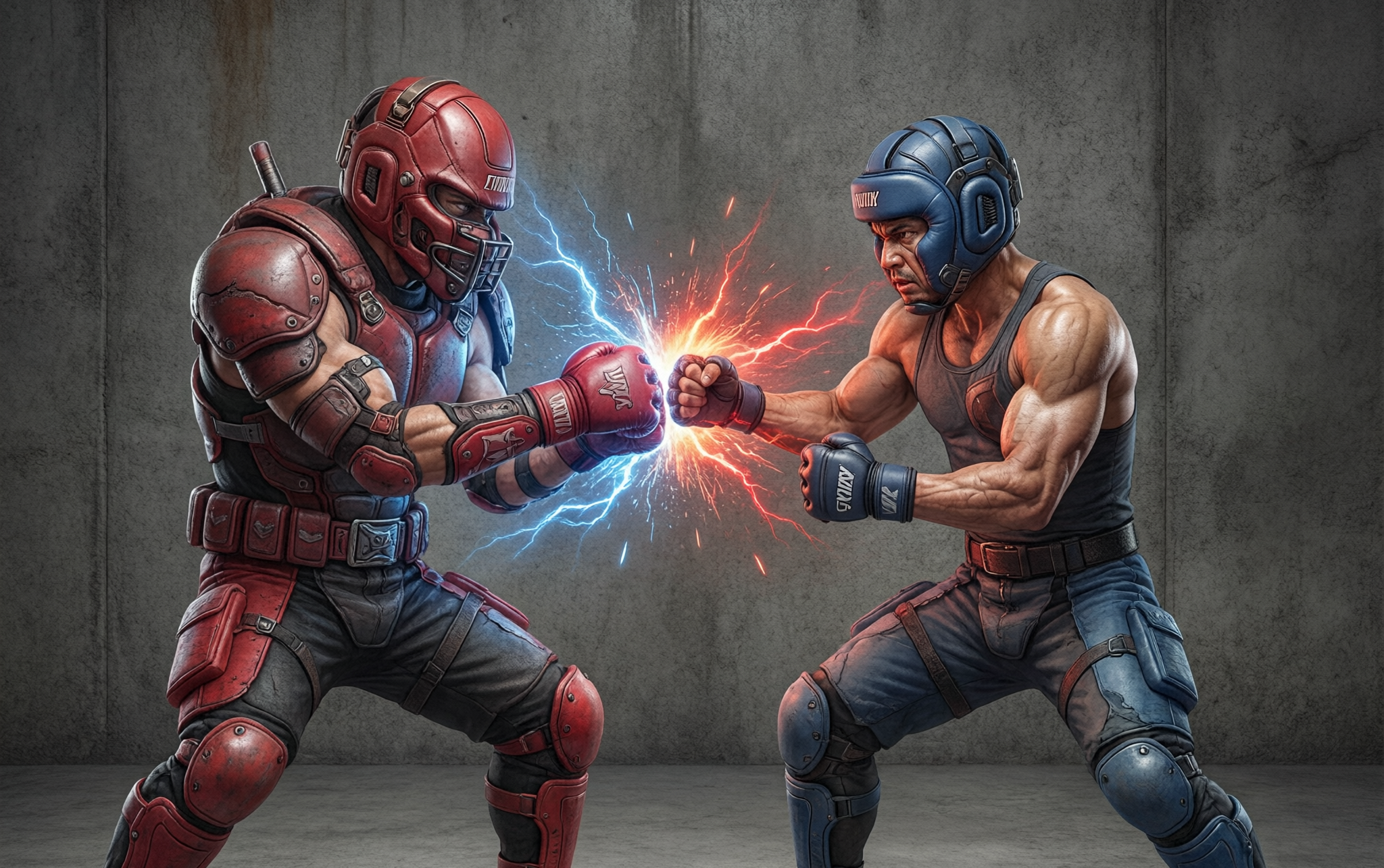
Fighting game players face an eternal choice: master one character or learn many. The pros disagree on which path leads to greatness — here's the breakdown.
Every fighting game player faces the same question sooner or later. Should I pour all my time into one character, learning every frame of animation and every matchup inside out? Or should I spread my efforts across multiple characters, building a flexible roster that can adapt to any opponent?
There's no single right answer. The two paths – specialisation and generalisation – each have their own logic, their own advantages, and their own trade-offs. And the pros disagree on which one is "better." Here's what the debate actually looks like.
The Case for Specialisation: One Character, Infinite Depth
The specialist approach is simple in concept but brutal in execution. You pick one character and you stick with them. Through good matchups and bad. Through patches that buff and nerf. Through hundreds of hours of practice.
The core advantage is depth. When you play a single character exclusively, you learn things that a generalist simply can't. You internalise the exact range of every normal attack. You know which punishes work at which distances. You develop muscle memory for situations that only arise against specific characters. As one forum poster put it, specialising allows you to overcome the impossible odds. When you know your character better than anyone else knows theirs, counter-picks stop mattering. You've seen every trick, every gimmick, every setup – and you know how to beat them all.
The psychological edge is real too. When an opponent switches to a "counter" character, they're often relying on the matchup advantage rather than their own skill. A true specialist has already played that matchup dozens, maybe hundreds of times. They know exactly how to exploit the gaps in that counter. The supposed advantage evaporates.
Consistency is another benefit. Your execution doesn't vary from character to character. Your combo routes don't change. Your mental stack is smaller – you're processing the opponent's options through one lens, not trying to remember which character you're currently playing.
The downside, of course, is vulnerability. If your character gets nerfed into the ground or hits a genuinely unwinnable matchup, you're stuck. And learning a new character from scratch after years of specialisation is painfully slow.
The Case for Generalisation: Flexibility as a Weapon
The generalist approach is about breadth. You learn multiple characters – anywhere from three to the entire roster – and you deploy them strategically based on the matchup.
The main advantage is adaptability. If your opponent picks a character that gives your main trouble, you can switch to something more favourable. If you're having an off day with one character, you can swap to another without losing momentum. In tournament settings, this flexibility can be a lifesaver.
Matchup knowledge is another big benefit. When you play multiple characters, you see the game from multiple angles. You understand what each character is trying to do, what their weaknesses are, and how to exploit them – not just in theory, but in practice. The more characters you learn, the better you become at reading opponents across the entire roster.
There's also the element of surprise. If you're known as a specialist, opponents will prepare for you. They'll lab the matchup, they'll study your habits, they'll have a plan. If you play multiple characters at a high level, opponents can't prepare for all of them. You become harder to predict and harder to counter.
The downside is that depth takes a hit. It's difficult to master multiple characters to the same degree that a specialist masters one. As one player put it, fully mastering each character isn't possible due to time, and focusing on more than a handful gets overwhelming. Your execution across the board might be slightly less polished. Your matchup knowledge might be broader but shallower.
The Middle Ground: What Actually Works
The truth is that most successful players don't exist at either extreme. They have a "main" that they've invested the most time in, plus one or two backups for particularly difficult matchups. This hybrid approach gives you the best of both worlds – depth where it matters, flexibility where you need it.
What works for one player might not work for another. Some players thrive on the focus of specialisation, building genuine mastery that transcends matchup charts. Others thrive on the variety of generalisation, constantly adapting and keeping opponents guessing.
From a Practical Standpoint
Here's how the two paths actually play out in practice.
Specialist: You spend 80% of your practice time on your main. You know that character's frame data cold. You've labbed every punish, every setup, every option select. You can handle any matchup because you've seen it all. But if your character gets nerfed? You're starting from zero.
Generalist: You rotate practice time across two or three characters. You know the basics of all of them, and you're deep on a few. You have options when matchups go bad. But your execution on any given character might be slightly below that of a dedicated specialist.
The best players often start as specialists. They pick one character and learn them to mastery first, then branch out once they understand the game at a deep level. Trying to learn multiple characters from the start often just spreads you too thin.
The Bottom Line
The specialist vs. generalist debate in fighting games isn't about which approach is "correct." It's about which approach fits you. Some players need the depth of focus that specialisation provides. Others need the flexibility and variety that generalisation offers. And most players fall somewhere in the middle.
So ask yourself: what kind of player are you? Do you thrive on mastery and consistency? Or do you prefer adaptability and surprise? The answer will tell you which path to take. And remember – you can always switch later. The best players never stop learning.